
Road trips and electric vehicles used to sound like a risky combination. Range anxiety, unfamiliar chargers, long waits in the middle of nowhere — the worries were real. But in 2026, planning an EV road trip is no tonly do able, it can actually be more relaxed than a petrol trip if you go in prepared. Here's everything you need to know.
Step 1: Know your real-world range before you go
Your EV's official range figure is a starting point, not a guarantee. Real-world range depends on speed, weather, air conditioning, and how hilly your route is. A general rule: plan around 80% of your car's rated range for each leg of the journey. If your car claims 400 km, plan charging stops every 300 km or so.
Also remember: you don't need to arrive at a charger on empty. Aim to arrive at each stop with around 15–20% battery left. It's the equivalent of not running a petrol tank completely dry — just good habit.
Step 2: Map your charging stops before you leave
This is the single most important step. Unlike petrol stations, charging stations are not on every corner yet — so plotting your route around them in advance saves stress on the road.
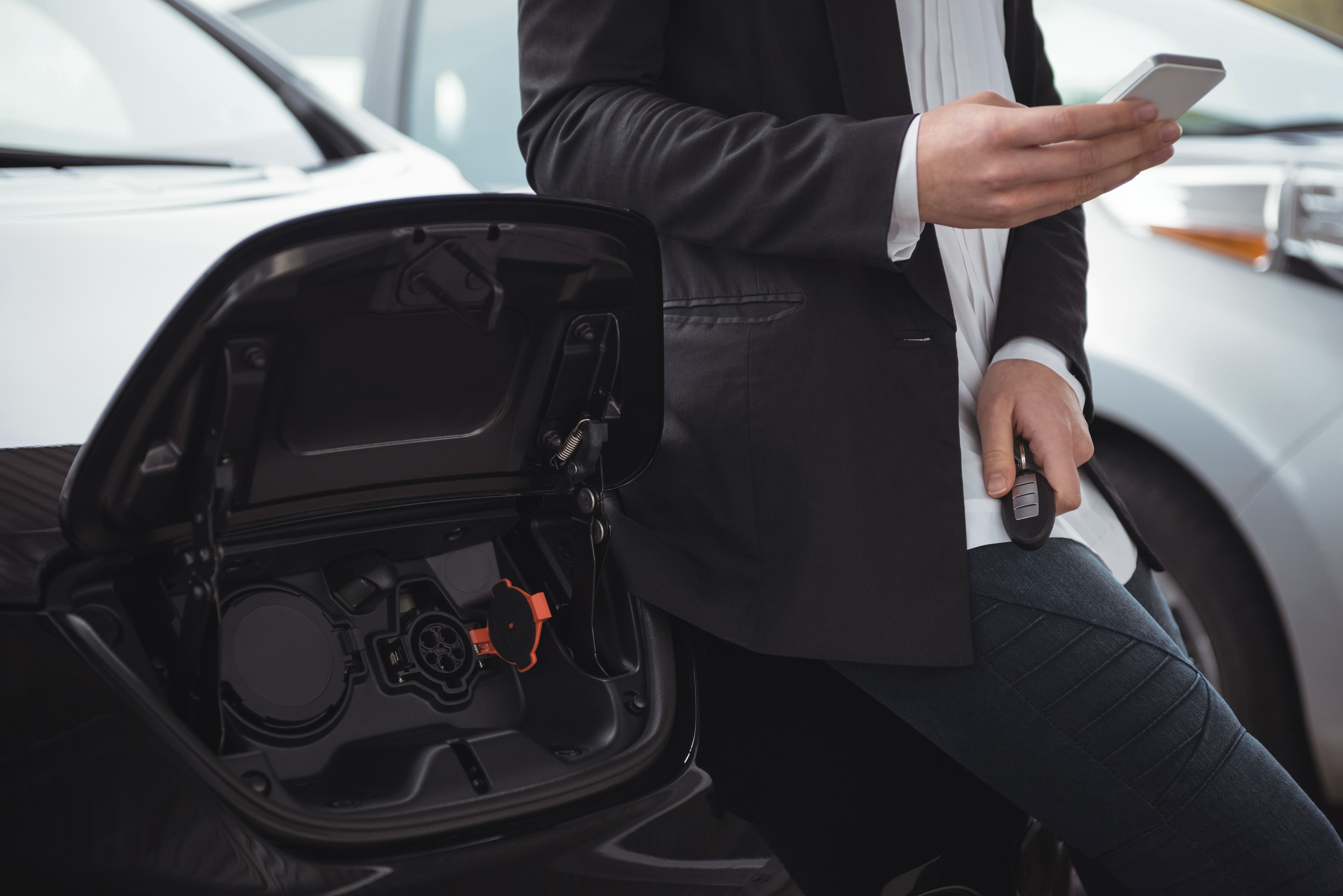
Open the iCharge app before your trip and use the map to find stations along your planned route. iCharge shows you real-time availability, connector types, and exact locations — so you're not guessing when you arrive. Pin the stops you'll use and check if they're the right connector for your car.
A good rule is to identify your primary stop and at least one backup stop for each leg of the journey, in case your first choice is occupied.
Step 3: Understand the difference between charger types
Not all chargers are equal, and knowing the difference saves you time.
AC chargers (Level 2) are the most common, typically found at hotels, shopping centres, and parking areas. They're slower — usually adding 20 to 40 km of range per hour — and are best used when you're parked for a few hours anyway. Overnight charging at your hotel is the perfect use case.
DC fast chargers are what you want on a long drive. They can add 100+ km of range in 20 to 30 minutes, making them the motorway charger equivalent. iCharge stations include both types, so check the app for which is available at each stop.
Step 4: Use charging stops as planned breaks
Here's the mindset shift that makes EV road trips feel natural: instead of treating charging as an inconvenience, treat it as a scheduled break. You were going to stop for coffee and a stretch anyway — now you do it while the car charges.
A 20–30 minute DC fast charge gives you enough time to use the facilities, grab food, and walk around. By the time you're back in the car,you've added significant range. Many experienced EV road trippers say they actually feel less fatigued on long drives because the stops are built in.
Step 5: Cross-border trips — iCharge has you covered
If your road trip takes you beyond Albania's borders,iCharge's roaming network means you don't need a different app or account ineach country. iCharge currently covers partner networks in Italy, Montenegro,North Macedonia, Greece, and beyond — with more countries being added regularly.
Your iCharge balance works everywhere in the network.Partner stations appear clearly on the map inside the app. You select a station, start charging, and the price is shown upfront — no surprises, no extra hardware needed.
For anyone planning a Balkans road trip or heading into southern Europe, this is a genuine game-changer. One app, one account, one seamless experience across borders.
.jpg)
Step 6: Charge overnight whenever you can
If you're staying at a hotel, guest house, or Airbnb, alwaysask whether they have EV charging. More and more hospitality venues in Albaniaand across the region are installing chargers precisely because EV drivers are asking for them.
Overnight charging is ideal — your car wakes up full in the morning, your costs are low (you're using off-peak household or hotel rates),and you haven't lost a minute of driving time. It's the closest thing to magic that EV ownership offers.
Step 7: Pack light on electronics anxiety
One last thing people worry about: what if the charger is broken, or the app doesn't work? These are legitimate concerns, but easy tomanage. Always carry your iCharge app with a topped-up balance before a long trip. iCharge has 24/7 customer support, so if something goes wrong at a station, help is a call away.
And remember: the charging network in the region is growing fast. What felt sparse two years ago is noticeably better today, and it will be better still by the time you take your next trip.
The bottom line
Planning an EV road trip takes about 20 extra minutes compared to a petrol trip — mostly spent mapping your charging stops. After that, the drive itself is quieter, smoother, and cheaper per kilometre. With the iCharge app in your pocket and a roaming network that stretches across Europe, the road is more open than ever.
Download the iCharge app, plan your route, and go.